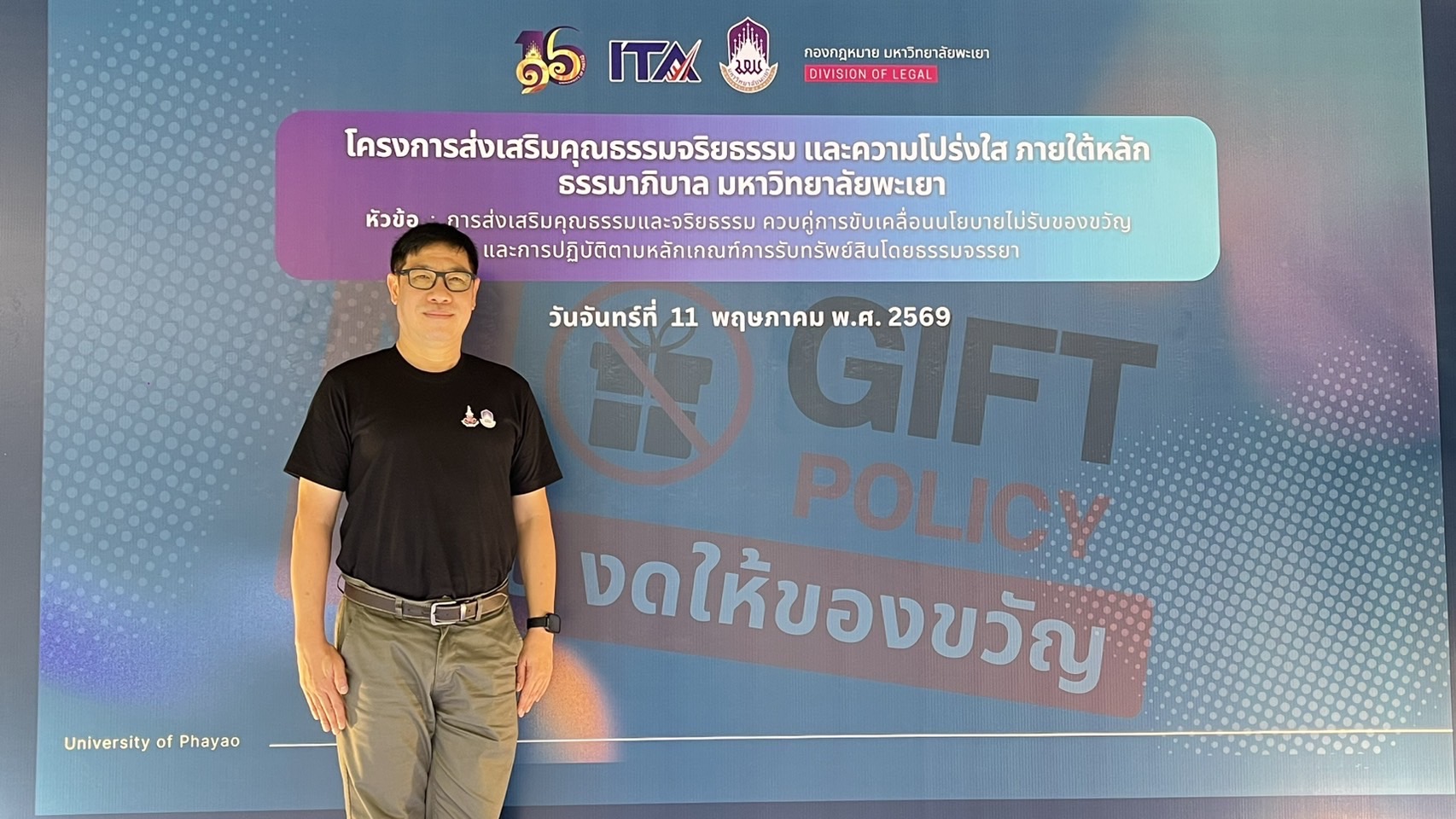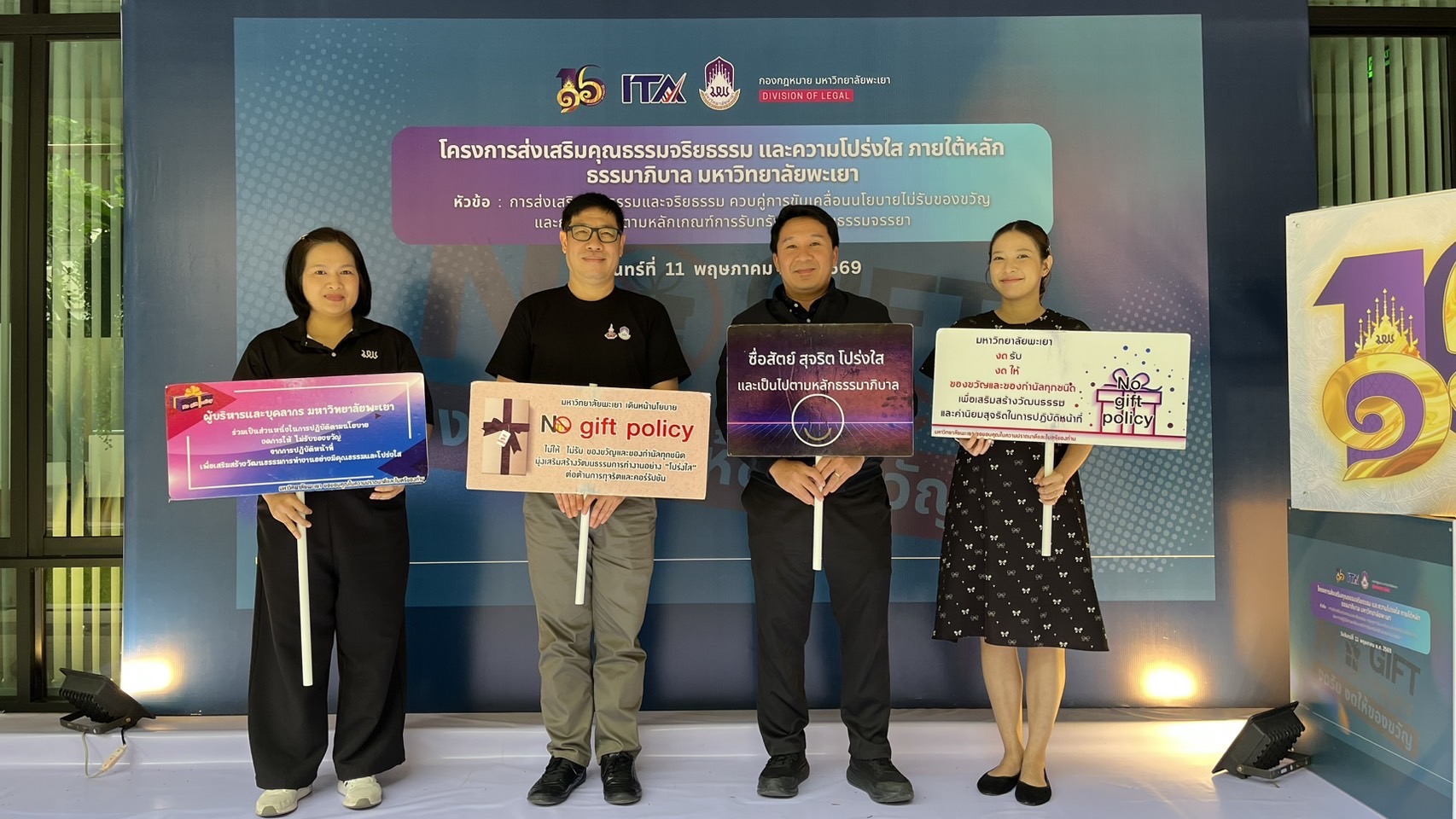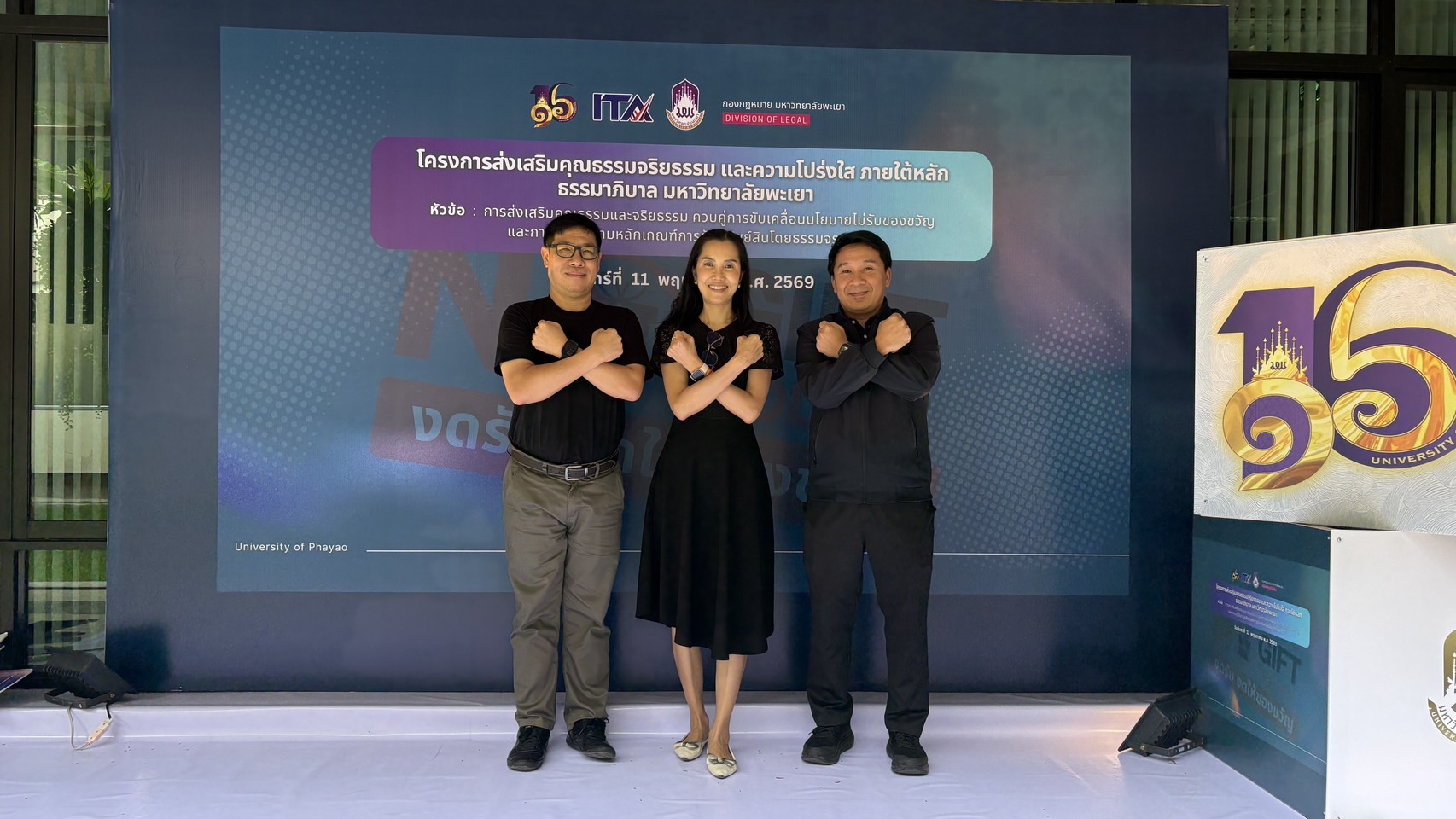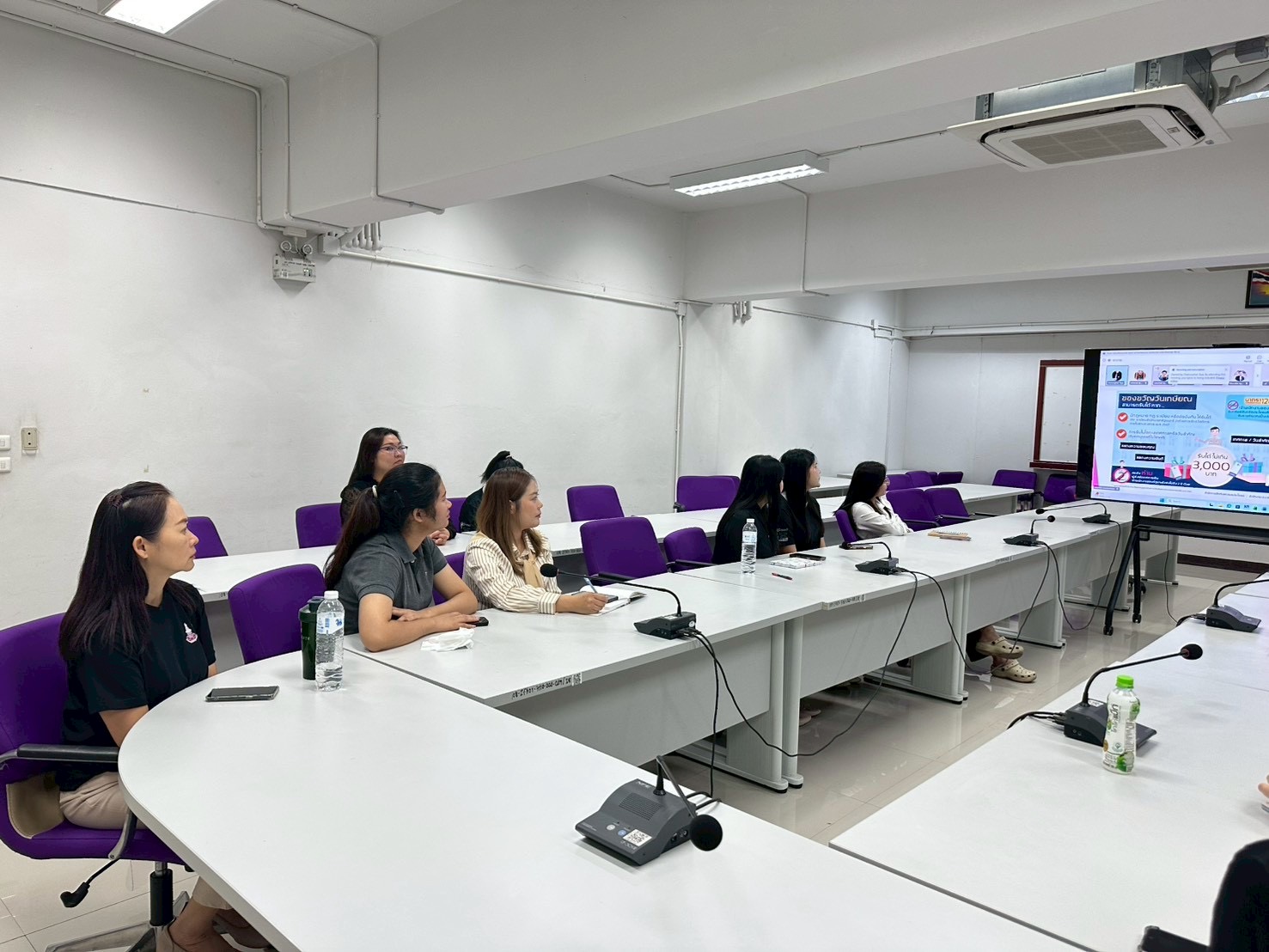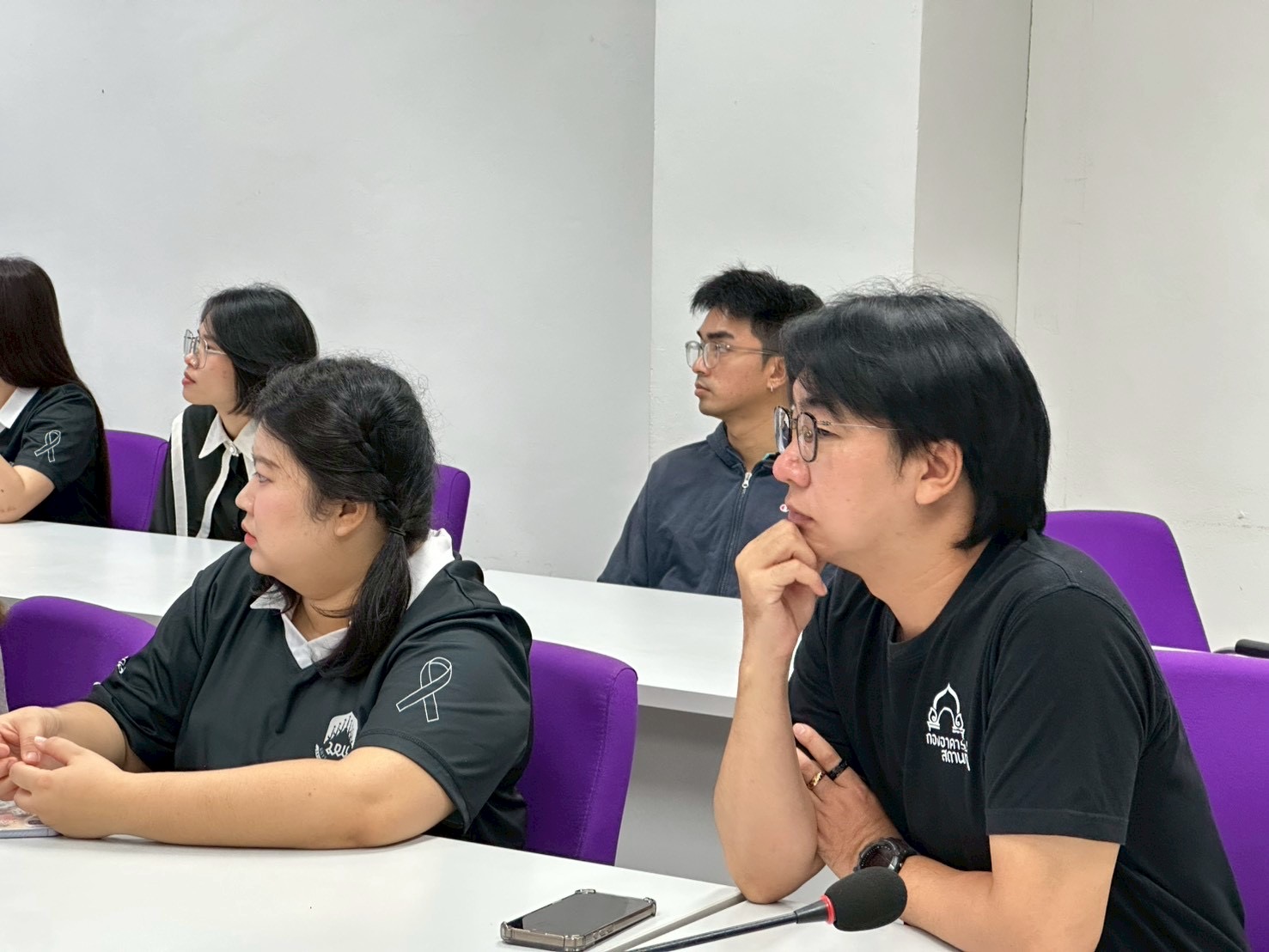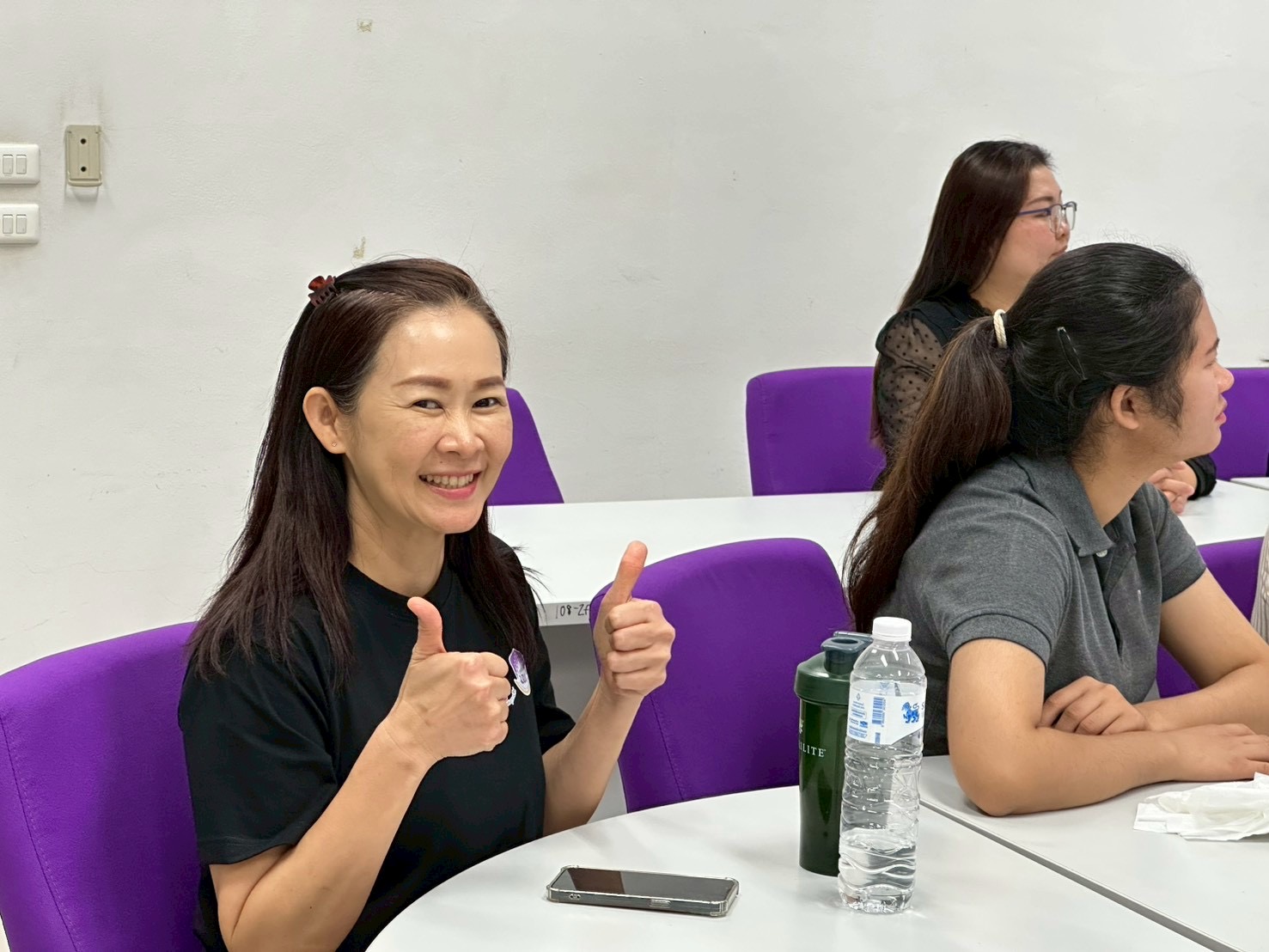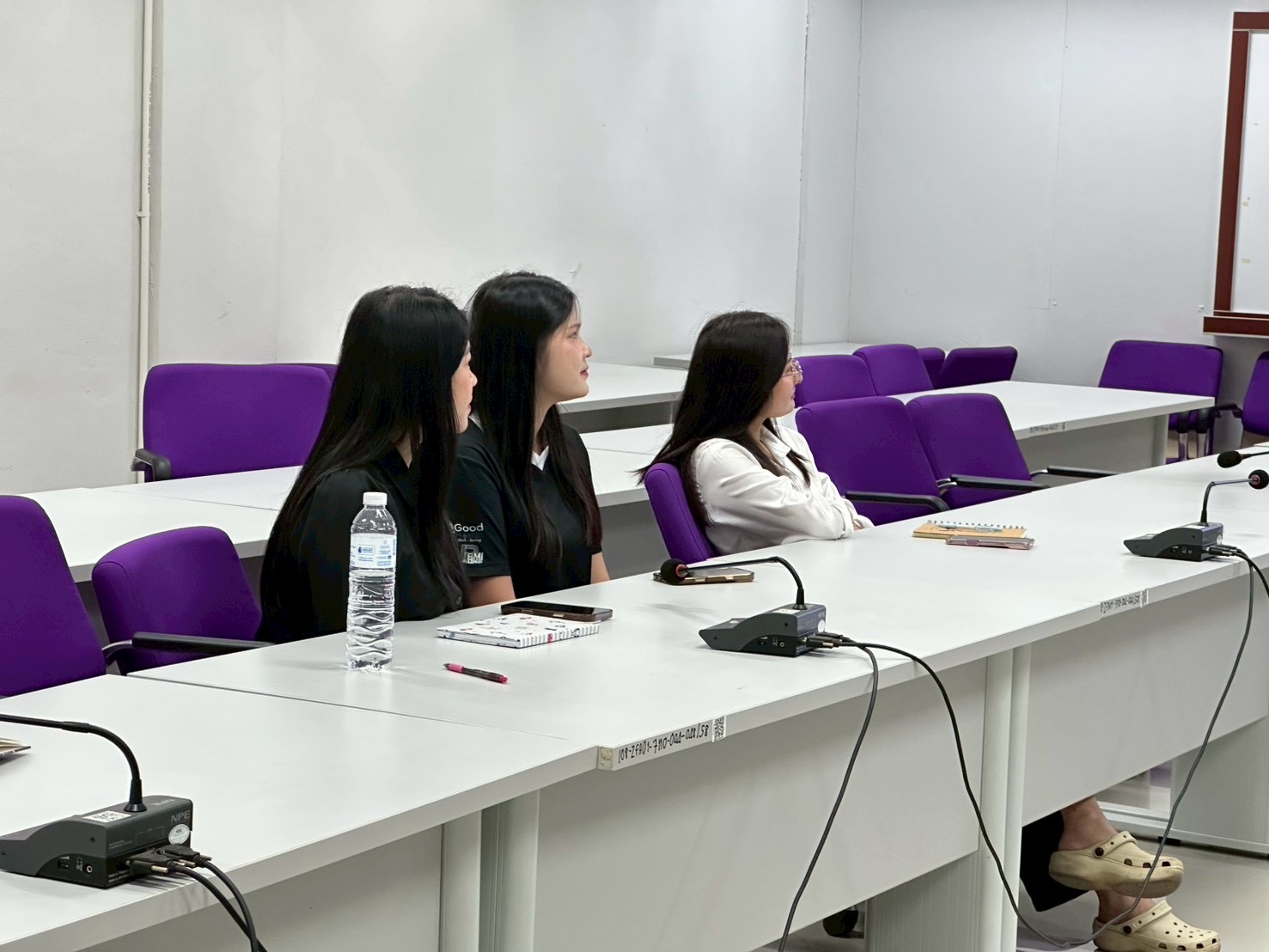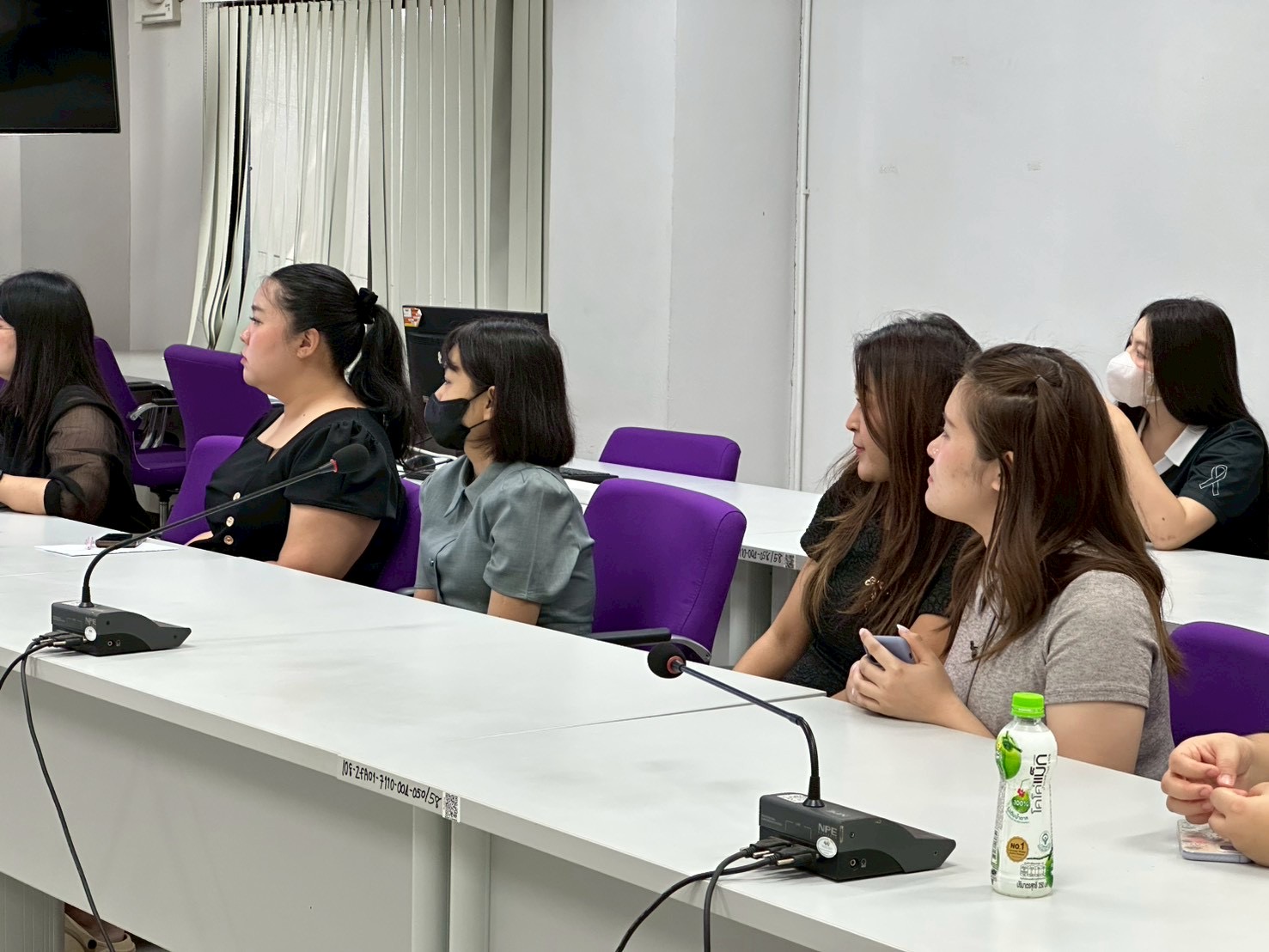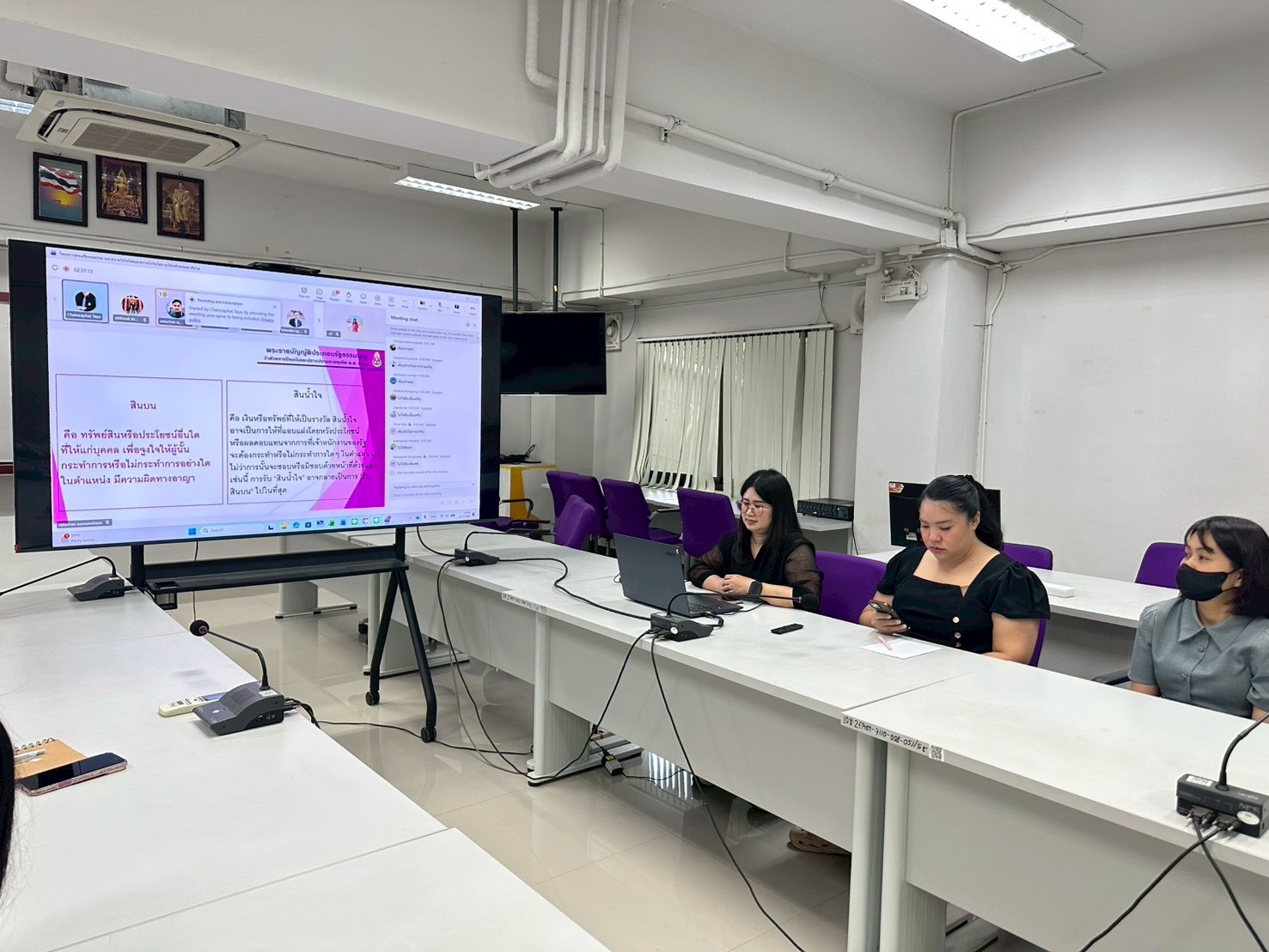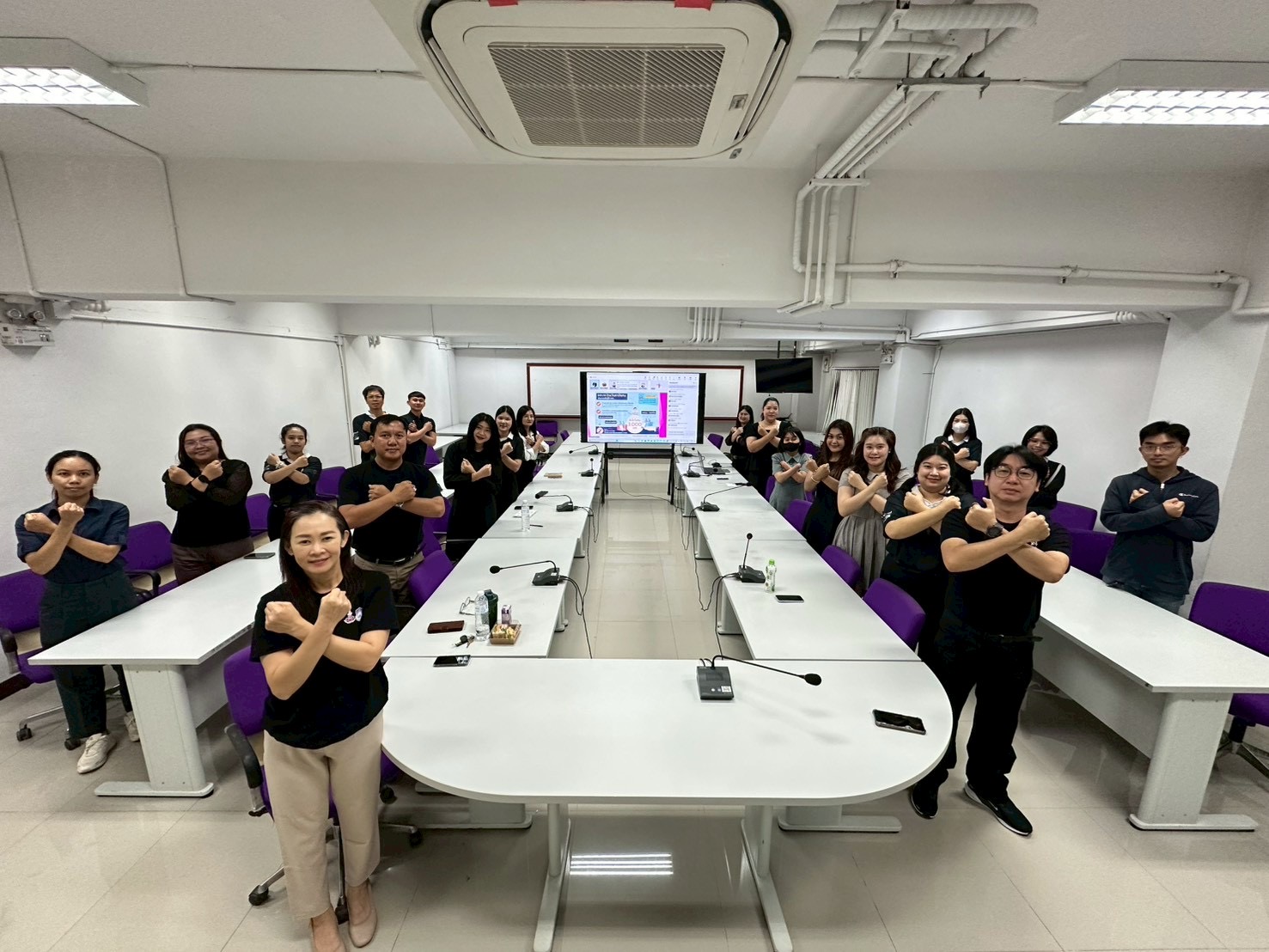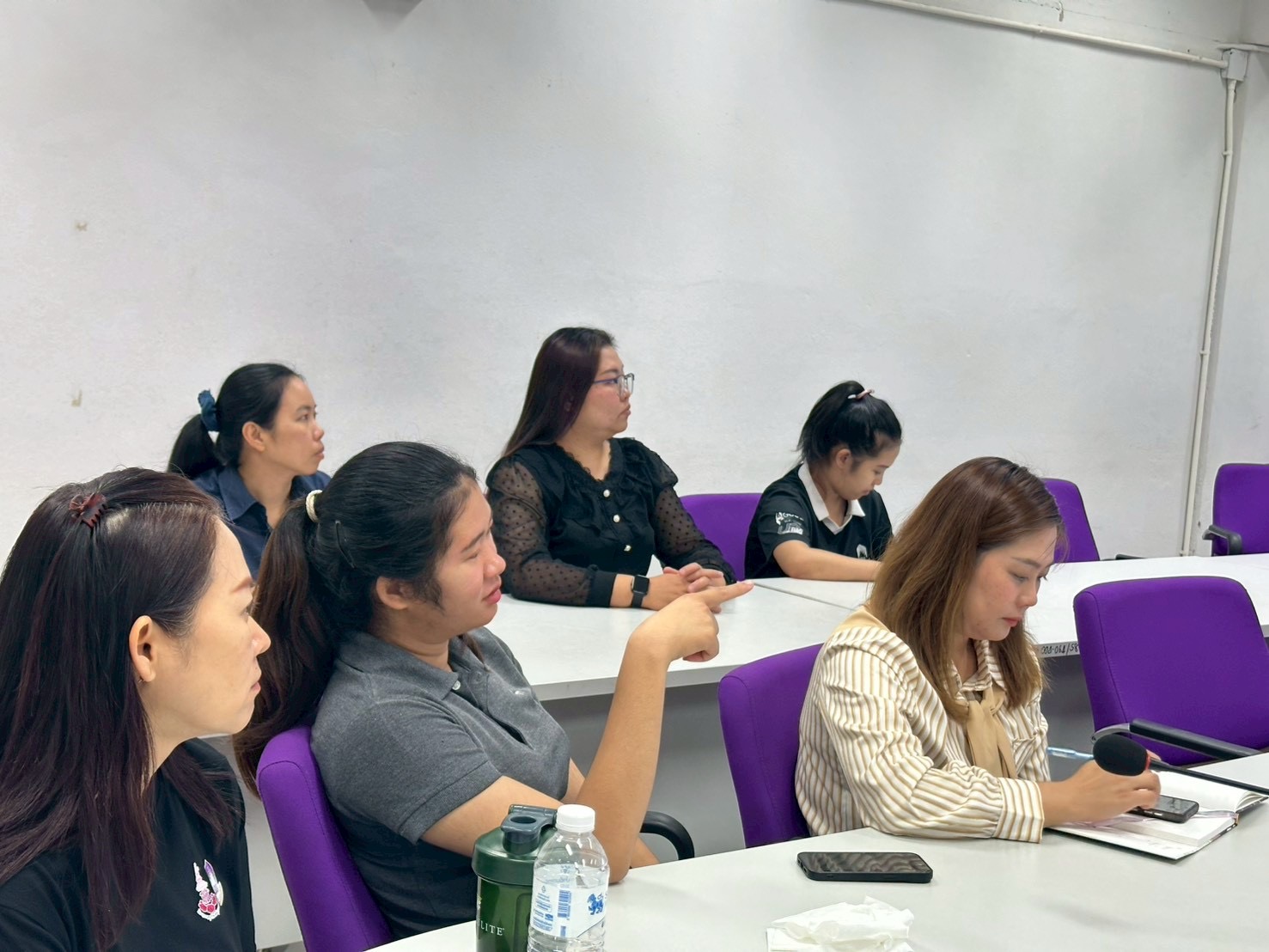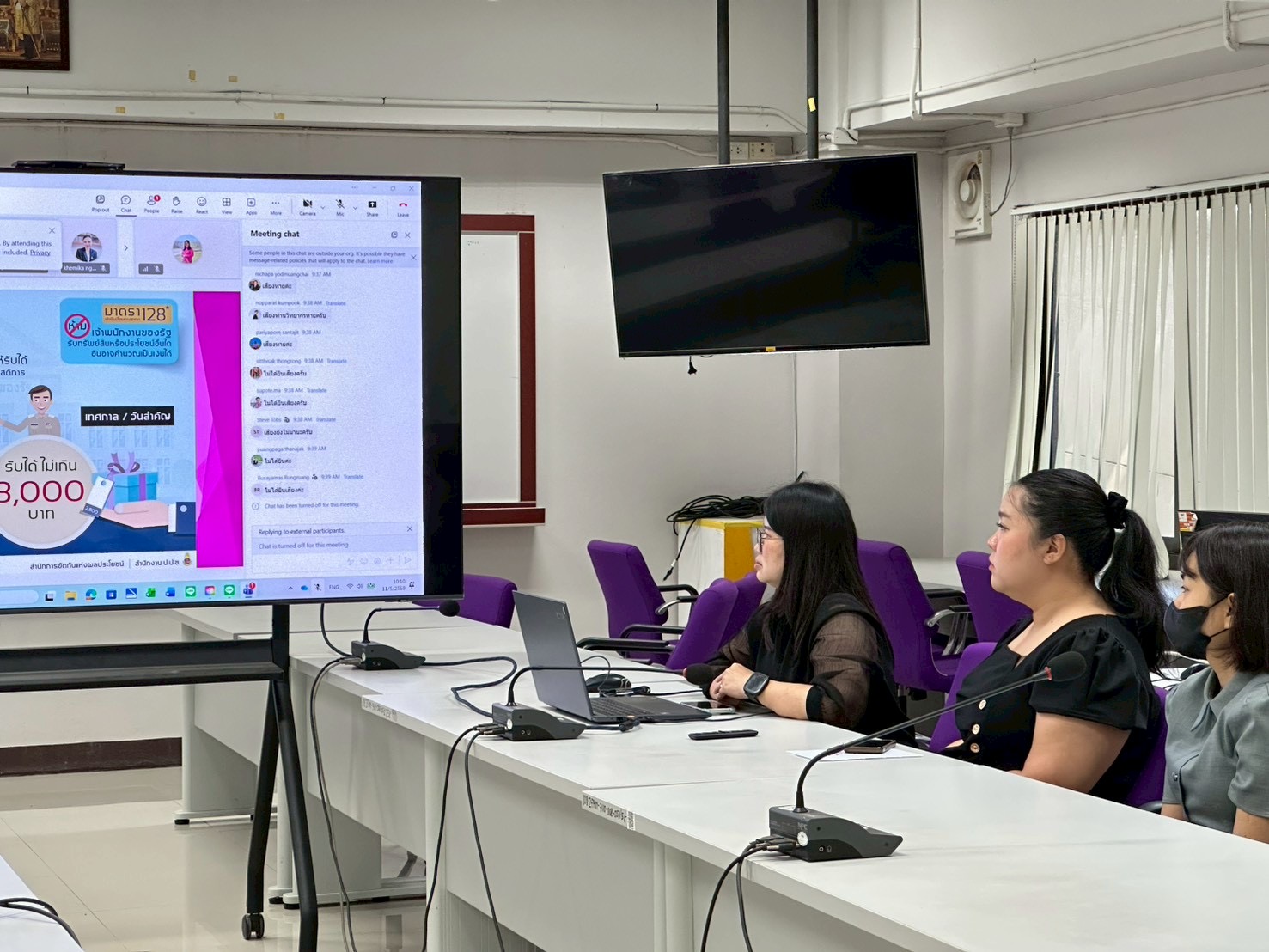
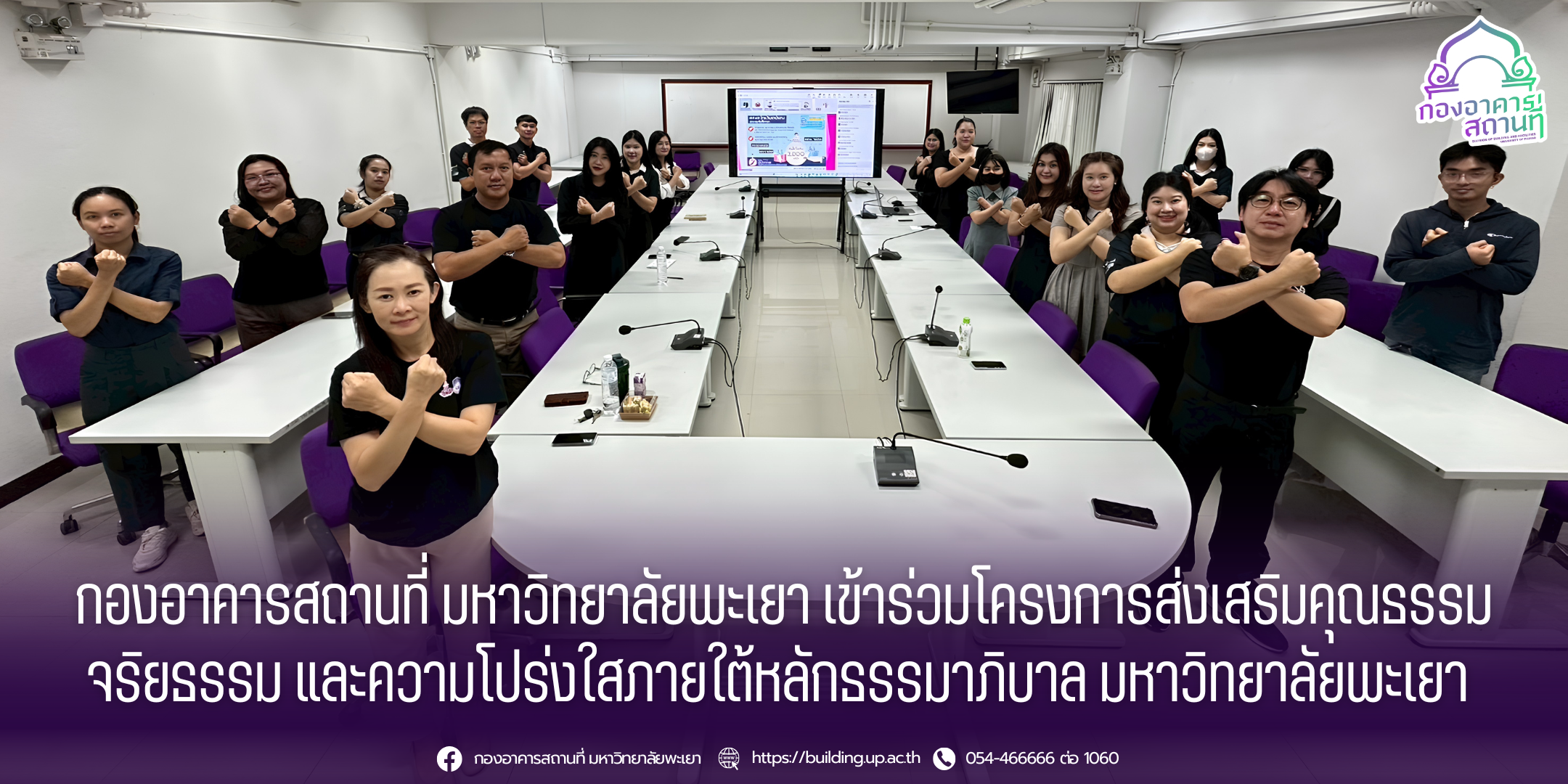


11 พฤษภาคม 2569 นายจีระวัฒน์ หมั่นงาน ผู้อำนวยการกองอาคารสถานที่ พร้อมด้วยบุคลากรกองอาคารสถานที่ มหาวิทยาลัยพะเยา เข้าร่วมโครงการส่งเสริมคุณธรรม จริยธรรม และความโปร่งใสภายใต้หลักธรรมาภิบาล มหาวิทยาลัยพะเยา หัวข้อ “การส่งเสริมคุณธรรมและจริยธรรม ควบคู่การขับเคลื่อนนโยบายไม่รับของขวัญและการปฏิบัติตามหลักเกณฑ์การรับทรัพย์สินโดยธรรมจรรยา”ผ่านสื่ออิเล็กทรอนิกส์ระบบ Microsoft Teams โดยมีผู้บริหารและบุคลากรเข้าร่วมทั้งในรูปแบบ On-site และ Online
การจัดโครงการในครั้งนี้ รองศาสตราจารย์ ดร.สุภกร พงศบางโพธิ์ อธิการบดีมหาวิทยาลัยพะเยา กล่าวให้โอวาทและเป็นประธานเปิดโครงการ พร้อมเน้นย้ำถึงความสำคัญของการยึดมั่นในหลักคุณธรรม จริยธรรม และความโปร่งใสในการปฏิบัติงาน เพื่อร่วมกันขับเคลื่อนมหาวิทยาลัยพะเยาสู่การเป็นองค์กรแห่งธรรมาภิบาลที่มีประสิทธิภาพ โปร่งใส และได้รับความไว้วางใจจากสังคมอย่างต่อเนื่อง ทั้งนี้ได้รับเกียรติจาก นายวัชรันทร์ คำมา เป็นวิทยากรบรรยายและแลกเปลี่ยนองค์ความรู้เกี่ยวกับการส่งเสริมคุณธรรม จริยธรรม การป้องกันผลประโยชน์ทับซ้อน และแนวทางการปฏิบัติตามหลักเกณฑ์การรับทรัพย์สินโดยธรรมจรรยา เพื่อให้ผู้เข้าร่วมโครงการสามารถนำไปประยุกต์ใช้ในการปฏิบัติงานได้อย่างถูกต้องและเหมาะสม
โครงการดังกล่าว จัดโดยกองกฎหมาย มหาวิทยาลัยพะเยา ภายใต้แนวทางการพัฒนาระบบบริหารจัดการองค์กรให้มีความทันสมัย โปร่งใส และยึดหลักธรรมาภิบาล (Good Governance) โดยมุ่งเสริมสร้างองค์ความรู้ ความเข้าใจด้านคุณธรรม จริยธรรม และความโปร่งใสในการปฏิบัติงาน ตลอดจนสร้างความตระหนักรู้เกี่ยวกับนโยบาย “ไม่รับของขวัญ” หรือ No Gift Policy และแนวทางการปฏิบัติตามหลักเกณฑ์การรับทรัพย์สินหรือประโยชน์อื่นใดโดยธรรมจรรยาอย่างถูกต้อง เหมาะสม และเป็นธรรม โดยมหาวิทยาลัยพะเยาให้ความสำคัญกับการปลูกฝังค่านิยมด้านความซื่อสัตย์สุจริต ความรับผิดชอบ และความโปร่งใสแก่ผู้บริหารและบุคลากรทุกระดับ เพื่อยกระดับมาตรฐานการบริหารจัดการองค์กร และสร้างความเชื่อมั่นแก่บุคลากรภายใน รวมถึงผู้มีส่วนได้ส่วนเสียภายนอก อันเป็นรากฐานสำคัญของการพัฒนาองค์กรอย่างยั่งยืนและปราศจากการทุจริต
On Monday, May 11, 2026, Mr. Jeerawat Munngan, Director of the Division of Buildings and Facilities, together with personnel from the Division of Buildings and Facilities, University of Phayao, participated in the Ethics and Morality Promotion Project for Transparency under the Principles of Good Governance at the University of Phayao. The project was conducted on the topic of “Promoting Virtue and Ethics alongside the Implementation of the No-Gift Policy and Compliance with Ethical Guidelines on Receiving Property” via electronic media through Microsoft Teams, with executives and personnel attending in both on-site and online formats
For this project, Associate Professor Dr. Suphakorn Pongsabangpho, President of the University of Phayao, delivered an address and presided over the opening ceremony, emphasizing the importance of upholding the principles of virtue, ethics, and transparency in the performance of duties in order to collectively drive the University of Phayao toward becoming a governance-based organization that is efficient, transparent, and continuously trusted by society. The project was also honored to welcome Mr. Watcharan Khamma as a guest speaker, who delivered a lecture and shared knowledge on the promotion of virtue and ethics, conflict-of-interest prevention, and guidelines for compliance with ethical standards regarding the acceptance of property. This aimed to enable participants to effectively and appropriately apply the knowledge gained in their work.
The project was organized by the Division of Legal, University of Phayao, under the framework of developing a modern, transparent, and good governance-based organizational management system. It aimed to strengthen knowledge and understanding of virtue, ethics, and transparency in the performance of duties, as well as to raise awareness of the “No-Gift Policy” and guidelines for compliance with ethical standards regarding the acceptance of property or any other benefits in a correct, appropriate, and fair manner. The University of Phayao places great importance on instilling values of integrity, accountability, and transparency among executives and personnel at all levels, in order to elevate organizational management standards and build confidence among internal personnel as well as external stakeholders. This serves as a vital foundation for sustainable organizational development free from corruption.